
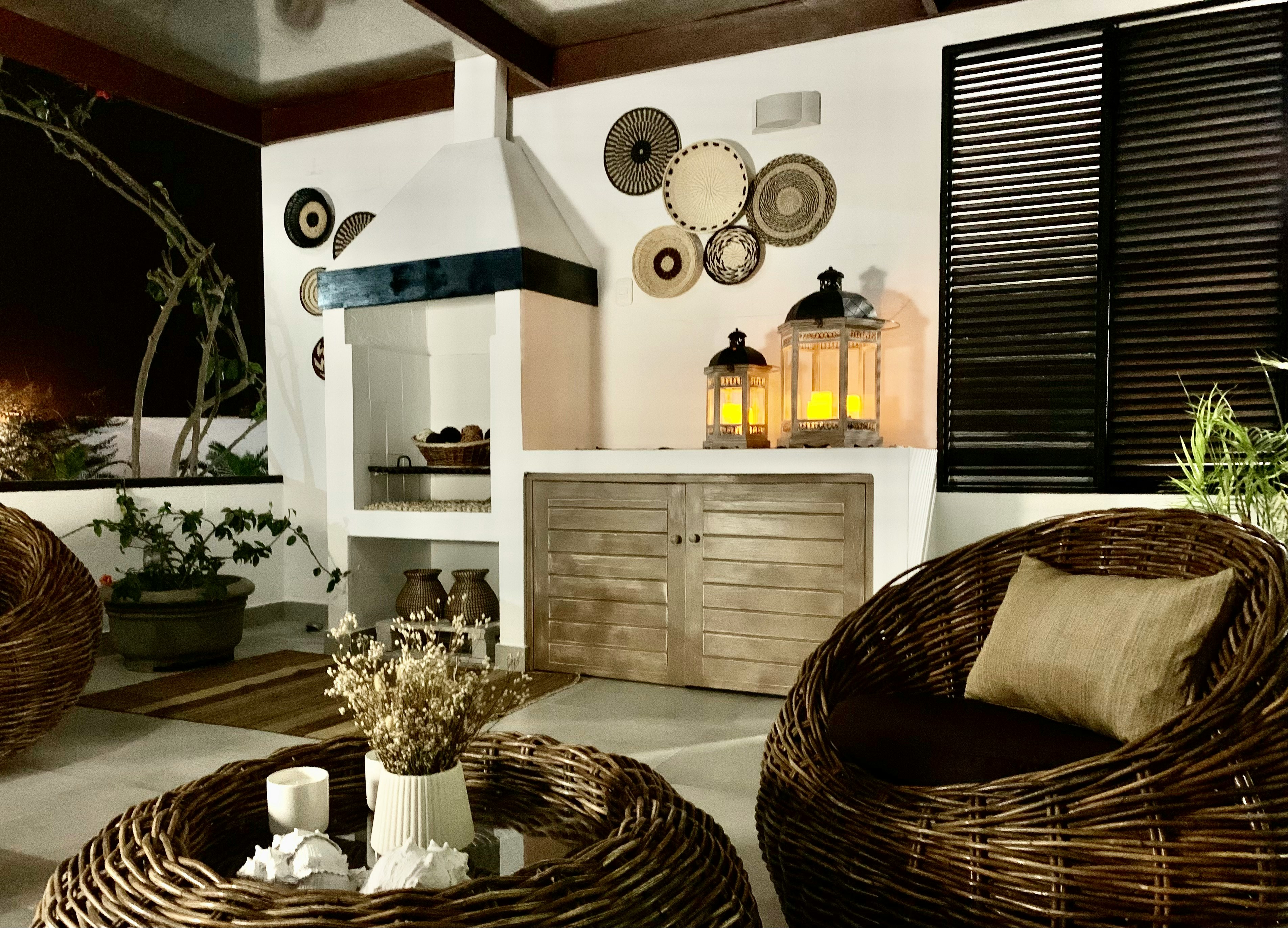
Home décor trends are often portrayed as either minimalist—clean lines, muted tones, and uncluttered spaces—or maximalist, where bold colors, layered textures, and eclectic collections reign supreme. While these styles appear to sit at opposite ends of the design spectrum, today’s homeowners are proving that balance and cohesion are entirely possible.
Whether you lean toward simplicity or love abundant expression, understanding how to merge design philosophies allows you to create a home that feels personal, harmonious, and timeless.
Understanding Minimalism and Maximalism
Minimalist Design: Less Is More
Minimalism focuses on simplicity, functionality, and the idea that every object serves a purpose.
Key features include:
Neutral color palettes (white, beige, soft gray)
Clean architectural lines
Open spaces with natural light
High-quality, multi-functional furniture
Minimalist interiors promote serenity and calm—perfect for people who value order and mental clarity.
Maximalist Design: More Is More
Maximalism celebrates abundance, layering, and personal expression.
Defining characteristics:
Bold, vibrant colors and prints
Mixed textures: velvet, wood, metal, and glass
Art-filled walls and curated collections
Eclectic furniture and statement décor pieces
Maximalist interiors feel energetic and inspiring, ideal for those who love storytelling through design.
Why Blend These Styles?
Combining minimalist and maximalist elements may seem contradictory, but it offers unique advantages:
Personal Expression: Mix keepsakes and bold art with a calm, structured backdrop.
Visual Balance: Minimalism’s restraint prevents maximalism from feeling overwhelming.
Practicality: A balanced approach can be easier to maintain than full-on maximalism.
Step-by-Step Guide to Creating Cohesive Décor
1. Define Your Core Aesthetic
Start with a design “mission statement.” Identify:
Favorite color schemes
Must-have furniture or heirloom pieces
The mood you want to create (relaxing, energetic, sophisticated)
This clarity ensures that every decision aligns with your vision.
2. Choose a Harmonious Color Palette
Color is the easiest way to unite contrasting styles.
Base Colors: Use neutral tones—white, taupe, light gray—as a minimalist foundation.
Accent Colors: Introduce maximalist vibrancy through jewel tones, emerald greens, deep blues, or terracotta.
Balance Rule: For every bold color, incorporate two neutrals to maintain visual calm.
SEO Tip: Integrate key phrases like “cohesive home color palette” or “mixing bold and neutral tones” in headings and alt text.
3. Mix Textures and Materials Thoughtfully
Texture adds depth without visual clutter.
Pair smooth marble countertops with woven jute rugs.
Combine sleek leather sofas with plush velvet cushions.
Use metallic accents—brass, copper—for a modern yet warm feel.
Minimalist backdrops allow these rich textures to shine while avoiding chaos.
4. Curate, Don’t Clutter
Maximalism thrives on collections, but curation is key.
Display meaningful objects: travel souvenirs, art pieces, vintage finds.
Group similar items together for impact (e.g., a gallery wall of black-and-white photos).
Rotate décor seasonally to keep spaces fresh.
Think “edited abundance”—every piece should tell a story or add value.
5. Invest in Versatile Furniture
Furniture should bridge both styles.
Minimalist Foundation: Opt for simple silhouettes and high-quality craftsmanship.
Maximalist Flair: Choose statement pieces like an art deco chair or a boldly patterned ottoman.
Look for modular furniture that adapts to changing tastes.
6. Layer Lighting for Mood and Drama
Lighting is a powerful unifier.
Ambient Lighting: Recessed ceiling lights or soft pendants maintain minimalist calm.
Accent Lighting: Sculptural floor lamps or colorful neon art add maximalist personality.
Dimmers: Adjust brightness to shift between serene and vibrant atmospheres.
7. Integrate Art and Statement Pieces
Art provides a natural bridge between minimalism and maximalism.
Hang one oversized abstract painting against a plain wall for a dramatic focal point.
Mix gallery walls with negative space to prevent crowding.
Use sculptural décor to add dimension without clutter.
8. Bring Nature Indoors
Plants add life and texture, suiting both styles.
Minimalist Tip: Choose a single large plant like a fiddle-leaf fig for a sculptural look.
Maximalist Tip: Create a lush indoor jungle with layered greenery.
Natural elements soften hard lines and enhance tranquility.
Room-by-Room Strategies
Living Room
Minimalist Base: Neutral sofas, open shelving, and streamlined coffee tables.
Maximalist Highlights: Patterned throw pillows, bold rugs, and statement art.
Add a vintage chandelier for an unexpected focal point.
Kitchen
Foundation: White cabinetry and clean countertops.
Pop of Personality: Colorful backsplash tiles, mixed-metal hardware, and open shelving with eclectic ceramics.
Bedroom
Calm Core: Simple bedframe, crisp linens.
Layered Details: Patterned bedding, textured throws, and vibrant wall art.
Use dimmable lighting to switch between minimalist serenity and maximalist coziness.
Home Office
Minimalist Setup: Ergonomic furniture, clutter-free desk.
Creative Accents: Bright artwork, patterned rugs, or a feature wall for visual inspiration.
Bathroom
Neutral Canvas: White subway tiles or stone surfaces.
Maximalist Touches: Bold wallpaper, ornate mirrors, and metallic fixtures.
Common Mistakes to Avoid
Overloading Color: Too many bright hues can feel chaotic.
Ignoring Scale: Balance large statement pieces with open space.
Skipping Storage: Hidden storage is essential to prevent clutter.
Sustainable & Budget-Friendly Tips
Upcycle Furniture: Repaint or reupholster to mix old and new styles.
Vintage Shopping: Adds character and reduces environmental impact.
LED Lighting: Energy-efficient while offering warm or cool tones.
Final Thoughts
Moving from minimalist to maximalist is not about choosing sides but about finding personal harmony. By focusing on a consistent color palette, curated collections, versatile furniture, and thoughtful lighting, you can create a home that celebrates both restraint and exuberance.
Whether you adore the serenity of minimalism or the joy of maximalism, a cohesive approach ensures your space feels intentional, comfortable, and uniquely yours.


