
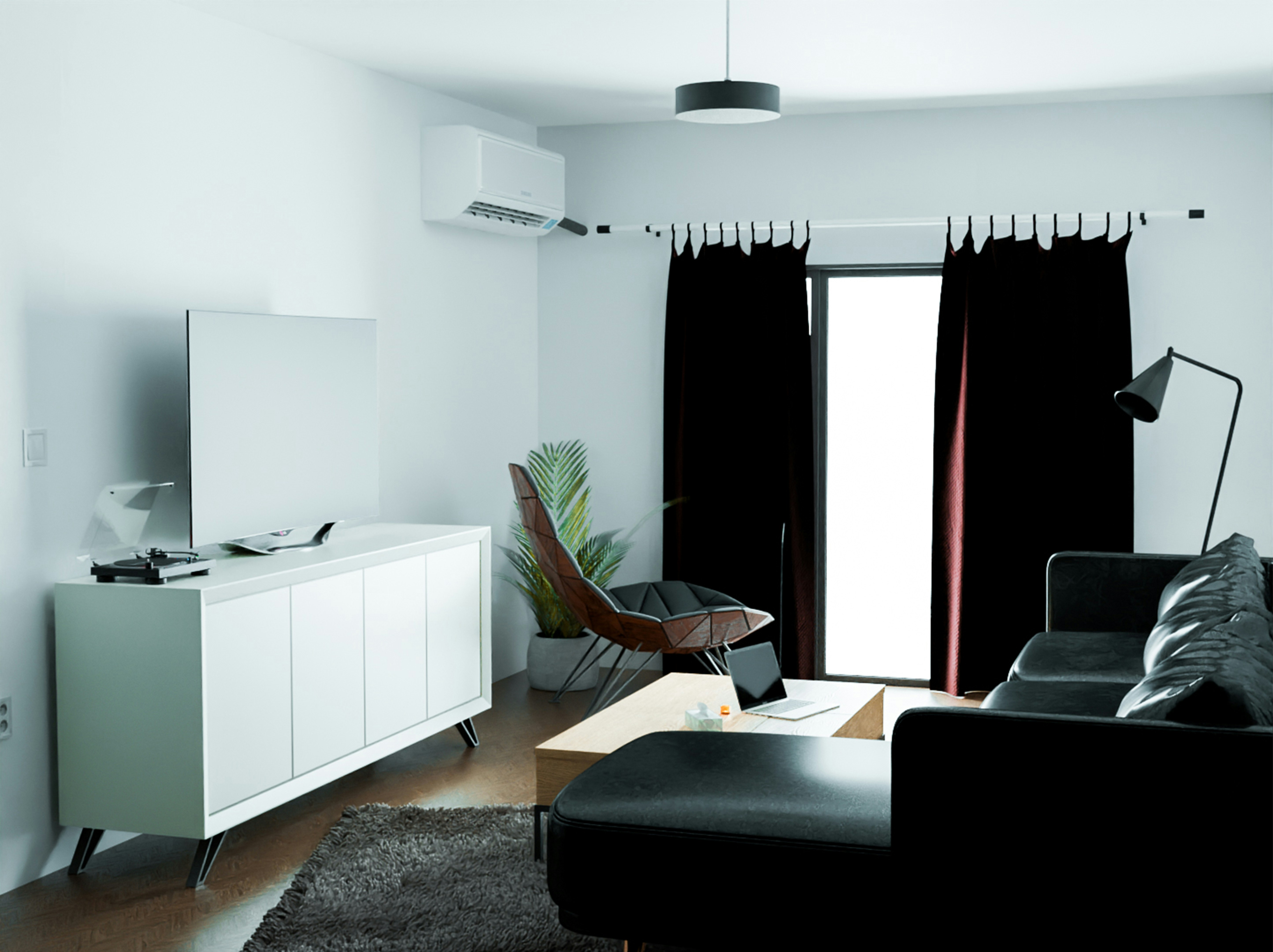
Lighting is far more than a practical necessity; it is a design element that shapes the mood, depth, and functionality of every room. Whether you’re creating a cozy reading corner or a lively kitchen workspace, layered lighting—the thoughtful combination of ambient, task, and accent illumination—offers both beauty and utility.
This guide explores the principles of layered lighting, explains how each layer functions, and provides room-by-room strategies to help you create balanced, energy-efficient, and visually stunning interiors.
Why Layered Lighting Matters
A single overhead bulb might light a room, but it rarely flatters the space or supports diverse activities. Layered lighting offers several benefits:
Visual Comfort: Reduces harsh contrasts and shadows, creating a welcoming atmosphere.
Flexibility: Allows you to adjust light levels for different tasks or moods.
Depth and Dimension: Highlights architectural details, textures, and décor.
Energy Efficiency: Strategic use of multiple light sources can reduce overall energy consumption.
By integrating three key layers—ambient, task, and accent—you gain complete control over how a room looks and feels.
The Three Layers of Lighting Explained
1. Ambient Lighting: The Foundation
Ambient lighting provides overall illumination, ensuring that you can navigate a room safely and comfortably.
Examples: Ceiling-mounted fixtures, recessed lights, large pendants, wall-mounted sconces.
Design Tips
Use dimmers to adjust brightness for day versus night.
Choose warm color temperatures (2700–3000K) for living spaces to create a cozy atmosphere.
For large rooms, combine overhead fixtures with cove or valance lighting to avoid dark corners.
2. Task Lighting: Precision and Focus
Task lighting targets areas where specific activities occur, such as reading, cooking, or working.
Examples: Desk lamps, under-cabinet LED strips, pendant lights above a kitchen island, vanity lights in bathrooms.
Design Tips
Ensure task lights are 3–4 times brighter than ambient lighting for proper visibility.
Use adjustable arms or dimmable features for flexibility.
Position lights to avoid glare or shadows, especially in kitchens and offices.
3. Accent Lighting: Drama and Highlight
Accent lighting adds depth and drama, drawing attention to architectural details, artwork, or decorative objects.
Examples: Track lighting, picture lights, recessed spotlights, wall washers.
Design Tips
Aim for a brightness level about three times that of ambient lighting for noticeable contrast.
Highlight focal points like fireplaces, textured walls, or sculptures.
Combine with dimmers to fine-tune intensity for different moods.
How to Layer Lighting Room by Room
Living Room
Goal: Comfort, flexibility, and a welcoming vibe.
Ambient: Recessed ceiling lights or a central chandelier with dimmers.
Task: Floor lamps near reading chairs, table lamps for side tables.
Accent: LED strips in shelving units, spotlights on artwork.
Pro Tip: Install smart lighting controls to adjust from movie-night dim to bright for entertaining guests.
Kitchen
Goal: Brightness for food preparation with stylish accents.
Ambient: Flush-mount ceiling fixtures or recessed lights for even coverage.
Task: Under-cabinet LEDs, pendant lights over islands, focused range hood lights.
Accent: Toe-kick lighting along base cabinets, glass-cabinet illumination.
SEO Keyword Tip: Use phrases like kitchen task lighting ideas and energy-efficient LED kitchen lights in subheadings or image alt text.
Dining Room
Goal: Warmth and elegance for meals and gatherings.
Ambient: Statement chandelier centered above the table.
Task: Adjustable pendant lights for direct table illumination.
Accent: Wall sconces or picture lights to showcase art or a buffet cabinet.
Bedroom
Goal: Relaxation with options for reading or dressing.
Ambient: Soft overhead lights or ceiling fans with integrated lighting.
Task: Bedside lamps with warm white bulbs, lighted closets or wardrobes.
Accent: Cove lighting behind a headboard or under-bed LED strips for a floating effect.
Bathroom
Goal: Bright, shadow-free light for grooming and a spa-like atmosphere.
Ambient: Moisture-rated recessed lights in the ceiling.
Task: Vertical fixtures flanking the mirror for even face lighting.
Accent: LED strips beneath vanities or behind mirrors for a modern glow.
Home Office
Goal: Productivity and focus without eye strain.
Ambient: Dimmable ceiling lights to reduce screen glare.
Task: Adjustable desk lamps with cool white (4000–5000K) for concentration.
Accent: Wall-mounted picture lights or LED backlighting behind shelves.
Choosing the Right Bulbs
Lighting quality depends on the bulb as much as the fixture. Consider:
Color Temperature:
Warm white (2700–3000K) for cozy living areas.
Neutral white (3500–4100K) for kitchens and bathrooms.
Cool white (5000K) for task-heavy spaces like offices.
CRI (Color Rendering Index):
A CRI of 80+ ensures accurate color representation for art and décor.LED vs. Incandescent:
LEDs offer longevity and efficiency with dimming capabilities.
Smart Lighting for Modern Homes
Integrating smart technology elevates layered lighting:
Automated Schedules: Adjust brightness based on time of day.
Voice Control: Manage scenes via assistants like Alexa or Google Home.
Energy Tracking: Monitor usage and optimize efficiency.
Pairing smart bulbs with layered design enables seamless transitions—from bright morning energy to soft evening ambiance.
Design Principles to Remember
The Rule of Three: Balance ambient, task, and accent lighting in every space.
Dimming is Key: Install dimmers on all layers to create mood flexibility.
Contrast and Texture: Use light to highlight textures such as brick, stone, or wood for added dimension.
Reflective Surfaces: Mirrors and metallic accents bounce light to make rooms feel larger and brighter.
Sustainable and Energy-Efficient Strategies
LED Fixtures: Consume up to 75% less energy than incandescent bulbs.
Daylight Integration: Use skylights and large windows to reduce artificial lighting needs.
Motion Sensors: Ideal for hallways or closets to avoid wasted electricity.
Conclusion
Mastering the art of layered lighting transforms a home from ordinary to extraordinary. By combining ambient lighting for overall illumination, task lighting for focused activities, and accent lighting for dramatic highlights, you create spaces that are both functional and captivating. Consider bulb quality, smart controls, and sustainable strategies to ensure your lighting design remains beautiful and efficient for years to come.


