
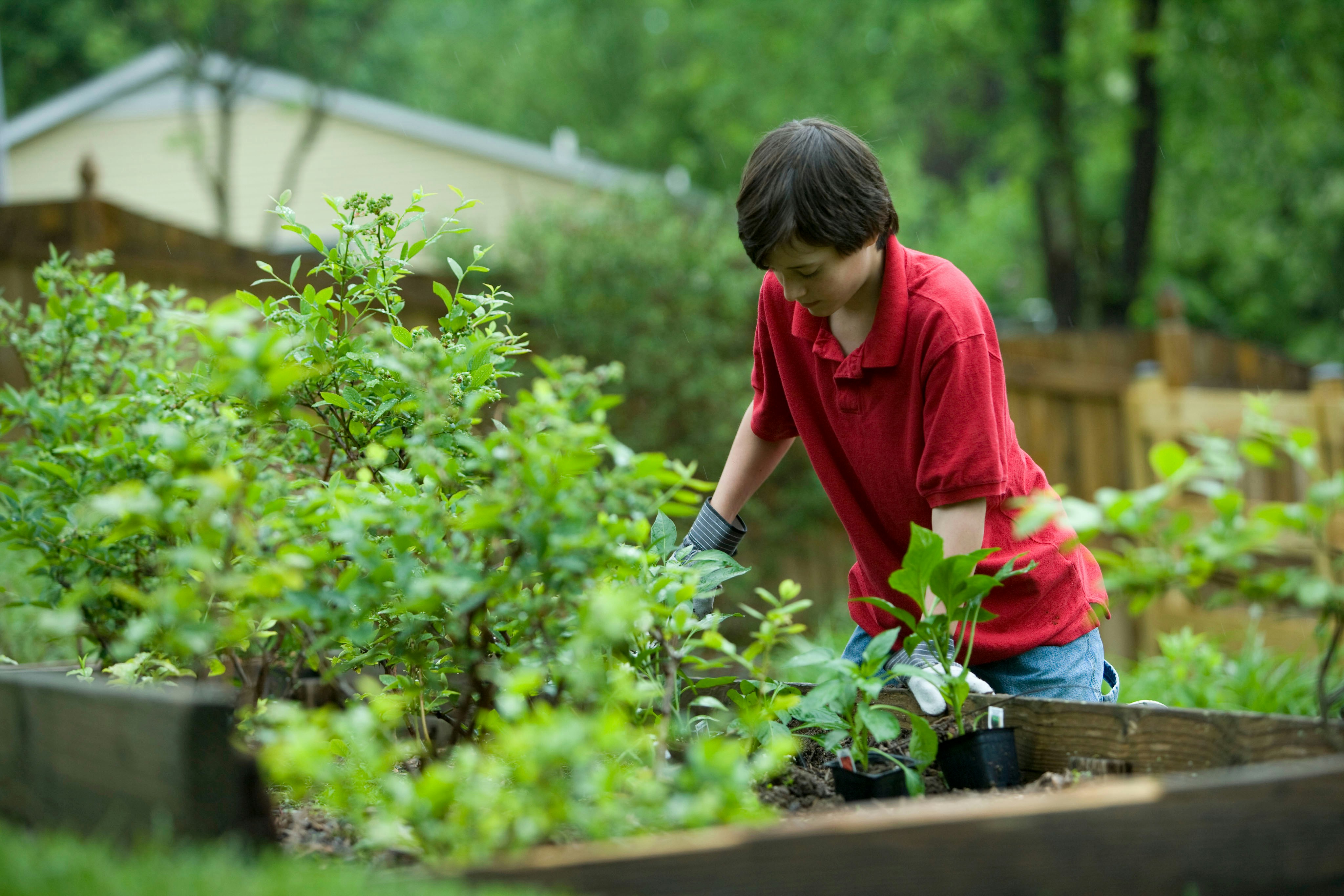
Creating a backyard that is both beautiful and environmentally responsible is no longer just a trend—it’s a necessity. Sustainable backyard design blends aesthetics with eco-friendly practices, allowing you to enjoy a vibrant outdoor space while conserving resources, supporting biodiversity, and reducing long-term maintenance.
This comprehensive guide will show you how to plan and build a low-maintenance, eco-friendly garden that thrives year after year.
Why Choose Sustainable Backyard Design?
Before digging in the soil, it helps to understand the benefits of eco-friendly landscaping:
Lower Water and Energy Use: Native plants and efficient irrigation systems reduce utility bills.
Improved Soil Health: Organic methods boost fertility and structure.
Wildlife Habitat: Pollinators, birds, and beneficial insects flourish in chemical-free spaces.
Reduced Maintenance: Thoughtful planning means less mowing, weeding, and watering.
Step 1: Assess Your Space and Climate
Begin with a detailed assessment of your yard:
Sun and Shade: Track sunlight patterns to position plants that need full sun or partial shade.
Soil Type: Test pH and drainage; clay-heavy soils may require amending with compost.
Local Climate: Choose plants suited to your USDA Hardiness Zone or regional equivalent.
This initial evaluation prevents costly mistakes and ensures your garden is truly low-maintenance.
Step 2: Choose Native and Drought-Tolerant Plants
The cornerstone of sustainability is plant selection.
Why Native Plants?
Native species have evolved to thrive in your local conditions, meaning they need less water, fertilizer, and pest control. They also provide essential food and shelter for birds and pollinators.
Examples by Region:
U.S. Southwest: Desert marigold, agave, penstemon
Northern Europe: Wild thyme, foxglove, field scabious
Southeast Asia: Hibiscus, frangipani, jasmine
Drought-Tolerant Favorites
If your climate is dry, consider succulents, lavender, or ornamental grasses like blue fescue.
Step 3: Design for Water Efficiency
Water is one of the biggest expenses in traditional landscaping. Here’s how to minimize it:
Drip Irrigation: Delivers water directly to roots, reducing evaporation.
Rain Barrels: Collect runoff from gutters to reuse for watering.
Mulching: A 2–3 inch layer of organic mulch keeps soil cool and retains moisture.
Pro Tip: Group plants with similar water needs to avoid overwatering.
Step 4: Improve Soil Health Organically
Healthy soil is the foundation of a thriving garden.
Composting: Convert kitchen scraps and yard waste into nutrient-rich humus.
Avoid Synthetic Fertilizers: Use natural amendments like bone meal or fish emulsion.
Cover Crops: In off-seasons, plant clover or rye to prevent erosion and fix nitrogen.
Strong soil biology reduces the need for chemical interventions.
Step 5: Incorporate Permeable Surfaces
Replace solid concrete patios or driveways with materials that allow rainwater to soak into the ground.
Options include:
Gravel or crushed stone pathways
Permeable pavers
Wooden decking with gaps for drainage
This reduces runoff, prevents flooding, and recharges groundwater supplies.
Step 6: Add Wildlife-Friendly Features
Create a backyard sanctuary for birds, bees, and butterflies.
Pollinator Plants: Coneflowers, milkweed, and salvia attract beneficial insects.
Birdhouses and Baths: Provide nesting and drinking spots for local bird species.
Avoid Pesticides: Use natural predators like ladybugs for pest control.
A biodiverse garden is more resilient and visually dynamic.
Step 7: Reduce Lawn Area
Traditional turf lawns demand high water and chemical inputs. Shrink your lawn with these alternatives:
Ground Covers: Clover, creeping thyme, or moss.
Meadow Gardens: Plant ornamental grasses and wildflowers for a natural look.
Hardscapes: Use gravel or flagstone patios for outdoor living areas.
Reducing grass saves time on mowing and cuts down emissions from lawn equipment.
Step 8: Smart Hardscaping with Recycled Materials
Incorporate recycled or reclaimed materials for patios, raised beds, and edging.
Reclaimed Wood: Ideal for decks and furniture.
Recycled Bricks or Pavers: Perfect for garden paths.
Repurposed Containers: Old barrels or metal tubs become stylish planters.
This approach lowers costs and diverts waste from landfills.
Step 9: Energy-Efficient Lighting
Outdoor lighting extends enjoyment after sunset but can waste energy if poorly designed.
Solar Lights: Zero electricity costs and easy installation.
LED Bulbs: Long-lasting and highly efficient.
Motion Sensors or Timers: Ensure lights only run when needed.
Warm, low-voltage lighting also creates a cozy evening ambiance.
Step 10: Plan for Low Maintenance
Finally, design with your lifestyle in mind.
Evergreen Plants: Provide year-round greenery without constant replanting.
Raised Beds: Reduce bending and simplify weed control.
Automated Irrigation: Set and forget watering systems for hassle-free care.
Cost Considerations
A common misconception is that sustainable design is expensive. While some investments—like installing a drip irrigation system—have upfront costs, they pay for themselves through:
Reduced water and electricity bills
Lower fertilizer and pesticide expenses
Fewer plant replacements due to better soil health
Inspiring Real-World Examples
Urban Courtyard: A small city backyard featuring native ferns, permeable pavers, and a rain barrel saved its owners 40% in annual water costs.
Suburban Pollinator Haven: By replacing half their lawn with wildflowers and fruit trees, one family doubled pollinator visits and cut mowing to once a month.
Maintenance Calendar for an Eco-Friendly Garden
| Season | Key Tasks |
|---|---|
| Spring | Soil testing, planting natives, mulching |
| Summer | Monitor irrigation, harvest vegetables |
| Autumn | Compost leaves, plant cover crops |
| Winter | Prune perennials, plan next year’s layout |
A seasonal plan keeps tasks manageable and predictable.
Conclusion
Designing a sustainable backyard is an investment in both your property and the planet. By choosing native plants, conserving water, improving soil health, and using recycled materials, you can create a low-maintenance, eco-friendly garden that supports biodiversity and remains stunning through every season.
Whether you’re starting from scratch or upgrading an existing yard, these steps will help you achieve a backyard that’s as kind to the environment as it is enjoyable for you and your family.


